
Function
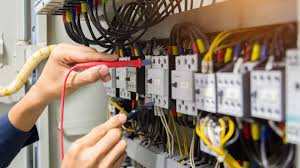
Electrical engineering involves the study and application of electricity, electronics, and electromagnetism. It encompasses a wide range of topics including power generation, transmission, and distribution, as well as electrical systems and circuits. Electrical engineers design, develop, and maintain systems that use electrical energy, including power plants, electrical grids, and renewable energy sources like solar and wind power.
Power Systems:
Focus on generation, transmission, and distribution of electricity. Engineers in this field ensure that electrical power is reliably delivered to homes and industries.
Function
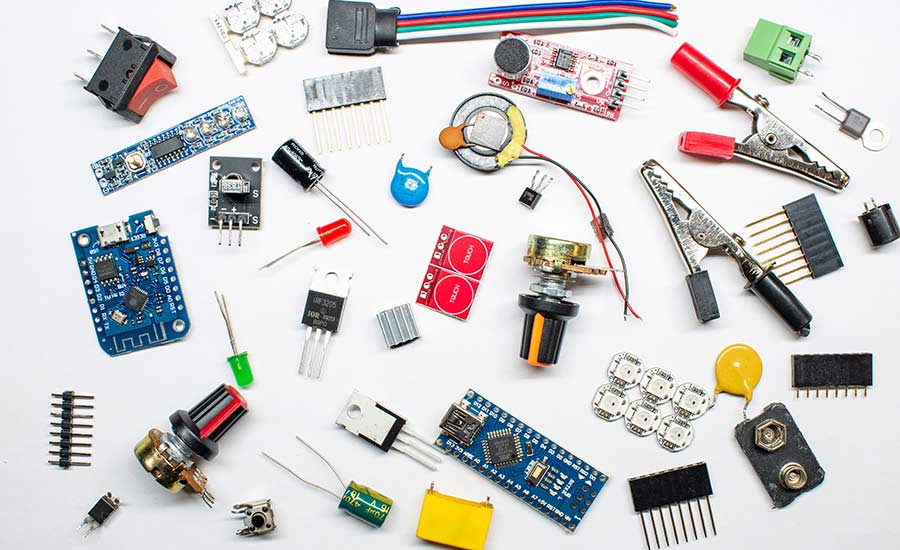
Electronics engineering deals with the design and development of electronic circuits, devices, and systems that use electrical energy to perform tasks. It involves the study of semiconductors, integrated circuits (ICs), microprocessors, and other components used in devices like computers, mobile phones, and medical equipment.
Microelectronics:
Focuses on the design and fabrication of small electronic circuits used in gadgets, sensors, and integrated circuits.

Function
Instrumentation engineering focuses on the design, development, and maintenance of instruments and systems that measure, control, and monitor various physical parameters like temperature, pressure, flow, and level. It plays a crucial role in industries like manufacturing, oil and gas, and chemical production, where precise measurement and control are essential for safety and quality.
Measurement Systems:
Involves designing instruments that measure physical quantities such as temperature, pressure, and humidity. These instruments can be analog or digital and are used in various industries.